Like many things in life, there isn’t necessarily a right or wrong culture – different groups thrive in different ways. However, there are better and worse ways to respond when culture is tested.
I’ve been part of teams during their best moments. I’ve also seen teams crumble when heavily tested. It’s easy to grow comfortable with success when the culture is strong and everything is going well. When everyone is happy and moving in the same direction, it feels like nothing can break the momentum. But as I’ve learned, culture isn’t defined during smooth times. It is revealed when the unexpected happens – when the momentum suddenly stops. In a previous post, I explored the importance of getting the right people on the bus, but even those right people can respond differently when pressure rises.
I’ve experienced a team that was on the high road. Everything was going right, and then suddenly, the momentum stopped overnight. A situation arose that forced members to make difficult decisions. People picked sides, and the unity that we had was not as clear to see. Leadership remained composed and followed the appropriate process, but not everyone was willing to accept the situation or outcome. No matter how it was handled, someone was going to be upset. It caused frustration on every level. For me, what stood out was how quickly pressure was pulling people in different directions, breaking apart the unity we once had.
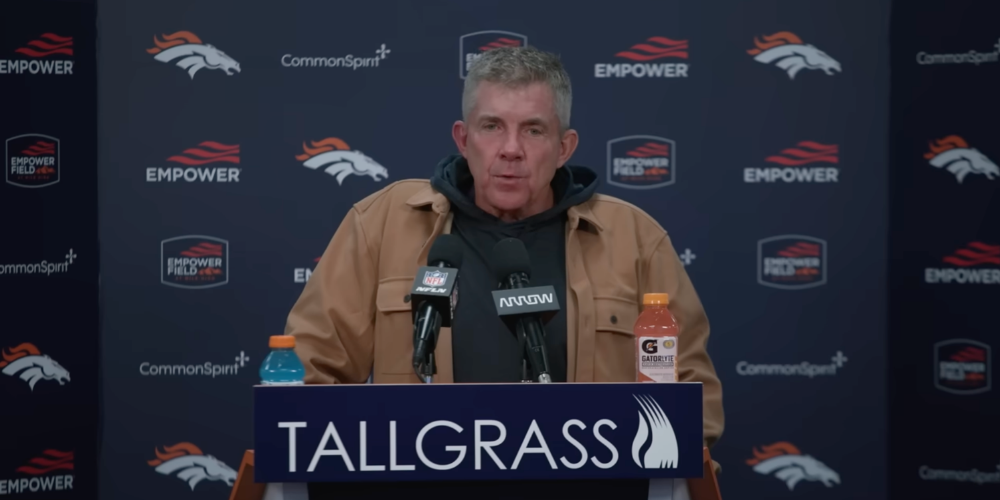
I like to bring in sports when talking about culture because the results of a team’s background work are aired out nationally. Everyone sees the outcome in real time. This season, the Denver Broncos appeared to build a strong culture, claiming the 1 seed in the AFC and having legitimate hopes of a Super Bowl. Shortly after beating the Bills to advance to the AFC Championship, adversity hit when it was announced that Bo Nix had broken his ankle and would be out for the rest of the season. For many, it felt like the season was over, like it was all for nothing.
But when head coach Sean Payton addressed the situation, he didn’t show panic or defeat. Instead, he immediately expressed confidence in the backup Jarrett Stidham (HERE), and many players publicly showed that same support. Even in the face of adversity, they remained calm and focused on the next game. Although they did fall short in the following game, their response revealed something important. Strong cultures do not crumble when faced with hard times – they often become more unified because of it.
The difference between these environments wasn’t the severity of the situations. It was the response. My experience showed how quickly things can break when pressure pulls people apart. The Broncos showed how shared belief and confidence in one another can keep a team focused and unified, even if the original plan falls through. Like I mentioned, culture is not proven when things are easy. It’s revealed when they’re far from it. When pressure rises in your teams, does the culture hold together, or does it lose its structure?
Leave a Reply